FAQs
How do you ensure managers communicate compensation fairly and consistently across regions or teams?
Consistent manager pay conversations start with clear compensation frameworks, reliable salary benchmarks, and structured pay ranges across locations and teams. Educate managers on how you make compensation decisions and give them access to the salary benchmarks and pay bands, so they can confidently and consistently explain salary decisions across teams and regions.
How should managers explain salary decisions to employees?
Managers should explain salary decisions using clear compensation context rather than vague justifications. This includes how pay decisions connect to market benchmarks, internal pay ranges, progression expectations, performance, and the company’s compensation philosophy. Clear, explanations backed by reliable compensation data helps employees better understand how compensation decisions were made.
What should managers say when employees ask for a raise?
Managers should avoid making immediate promises and instead explain how compensation decisions are evaluated. Helpful discussions usually focus on up-to-date, reliable market benchmarks, current pay positioning, progression expectations, performance, and promotion criteria. Employees are more likely to trust pay conversations when managers can clearly explain how salary decisions are assessed internally.
How can managers discuss compensation without overpromising?
Managers can avoid overpromising by relying on clear compensation frameworks and reliable benchmark data rather than informal assumptions. Instead of guaranteeing outcomes, managers should explain how salary decisions are evaluated, what factors influence compensation reviews, and what progression or salary growth could realistically look like over time.
How do managers explain why two employees are paid differently?
Managers should explain that compensation differences can reflect factors such as role level, progression stage, location, specialised skills, tenure, performance, or market positioning. Clear compensation frameworks and reliable benchmark data help managers explain these differences more consistently and reduce employee confusion around perceived pay inequities across teams.
How do managers explain compensation decisions when salary increases are limited?
Managers should explain salary decisions transparently, including how compensation budgets, market positioning, internal pay ranges, and progression frameworks influence outcomes. Even when salary increases are limited, employees are more likely to trust compensation decisions when managers can clearly explain the reasoning behind them and discuss future progression opportunities constructively.
How can compensation benchmarking data support manager conversations?
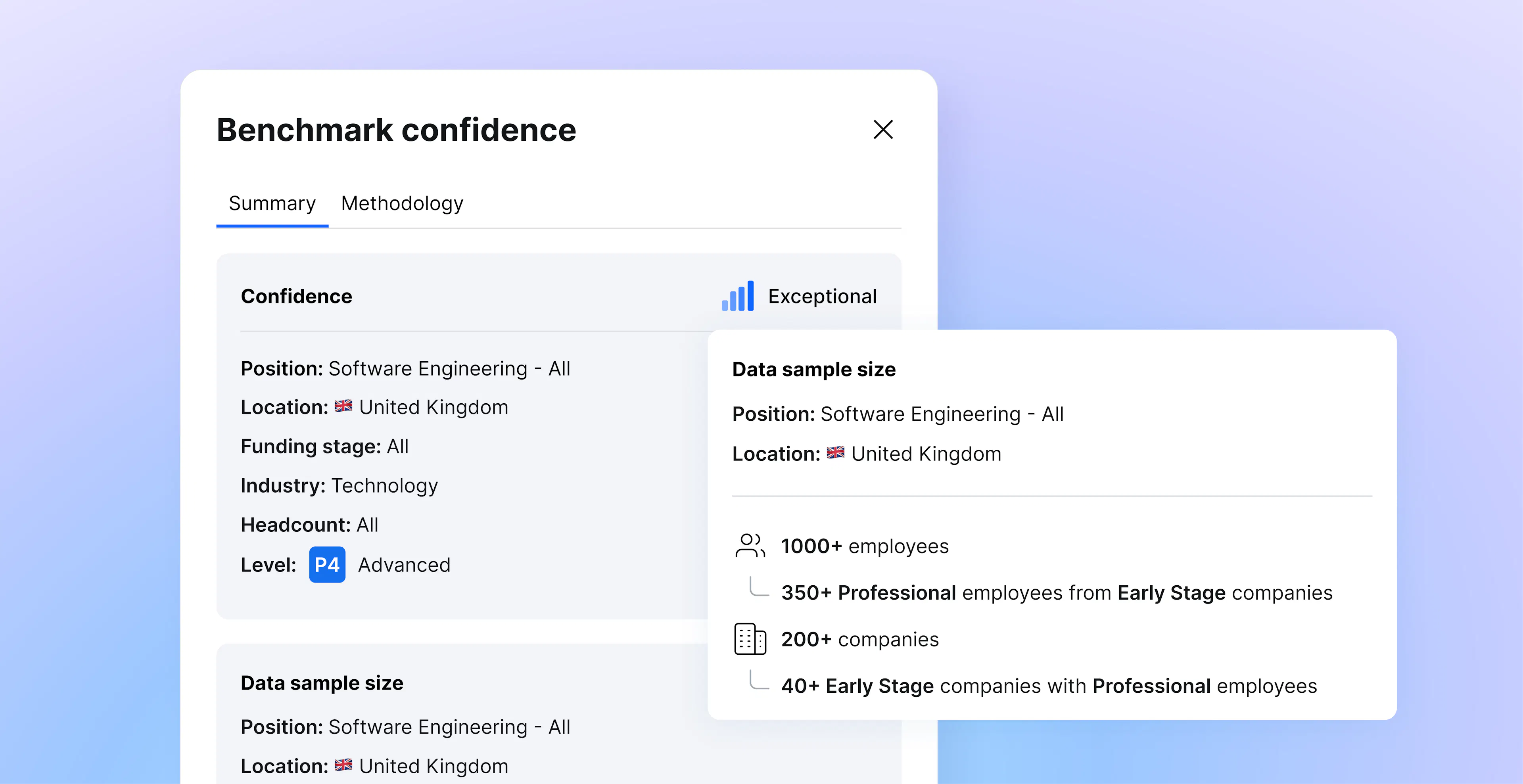
Reliable compensation benchmarking data gives managers stronger evidence behind salary decisions and helps them explain how pay compares against the wider market. Benchmark data also supports more informed discussions around progression, pay ranges, promotions, and market positioning, making compensation conversations clearer, more consistent, and easier to defend.