5. Invest in deep education for managers that goes beyond process checklists (Jaz Chuhan, The Reward Consultant)
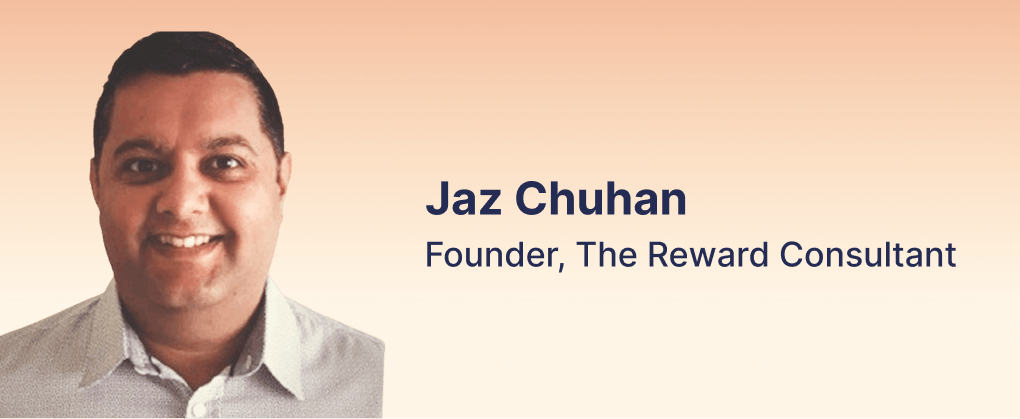
Jaz Chuhan, Founder of The Reward Consultant serving organisations across the Middle East, believes the key to effective compensation communication is teaching managers how compensation actually works, not just what to say.
"As Rewards professionals we make it difficult for managers to have those conversations with their team about compensation changes,” he explains. “We don’t share how we benchmark, how we think about compa ratios, how pay is linked to performance, and so on, all of which enhances the conversations they can have with direct reports.”
“I think sometimes we shy away from explaining the details because it feels like too much information, or because it’s nerve-wracking to put our own processes in the line of fire,” Jaz says, “but in my experience these are questions that managers want to understand for their own career and pay progression – people love to talk Rewards!”
When managers have that deep understanding of compensation processes, it spreads throughout the organisation. “The beauty of it is that you’re delivering consistent messaging en masse, because each manager will have the same information to share with their team.”
Jaz has seen many companies take a somewhat surface level approach to manager training on compensation.
“It’s common to see one-off emails on compensation review processes, or documents with talking points for managers,” he says. “But haven’t we all opened an email once and then never looked at it again in the clutter of messages we get every day.”
His approach instead centres on group sessions for managers, deep dives into the technical foundations of how compensation works.
"To do it well you do have to start a few months in advance. It takes time to organise these group sessions, whether face-to-face or online."
But, in Jaz’s experience, it’s well worth the effort.
When Jaz implemented this approach at one organisation, "the HR department in the region was ranked amongst the lowest globally (70+ countries). Within 18 months, we used this education-driven approach to train hundreds of managers on compensation, who in turn helped their teams to better understand the process. In the next engagement survey that HR department saw a huge launch into the top 25 countries globally."
"Research states that when people are told the rationale behind their salary increase they are twice as likely to be satisfied with their employer, compared to those who receive just the increase in writing. Just changing the delivery doubles the satisfaction.”
"I will always be an advocate of Rewards education. Let’s move away from those simple email communications, and start being more intentional about talking to our people about compensation, and preparing our managers to have great compensation conversations, no matter what the situation is.”